

Many advanced riders rely on a checklist which they work through on the approach to hazards (such as IPSGA).
Let’s be very clear, there’s nothing wrong with this as a start point, but when it comes to progressing our motorcycle riding skills to a higher level, we need to move beyond. This is because in real world bike riding, we are required to constantly react and adjust our plans to an ever-evolving situation. The process of riding to a checklist can then become overwhelming, unless we travel so slowly that we are able to restart it repeatedly.
But there is another way to handle the complexity of real world riding. It is The Rapid Way. And in truth, whether they realise it or not, it is also the way of any expert rider (and for that matter, the way of any master in any field of endeavour). It involves the development of intuitive skills.
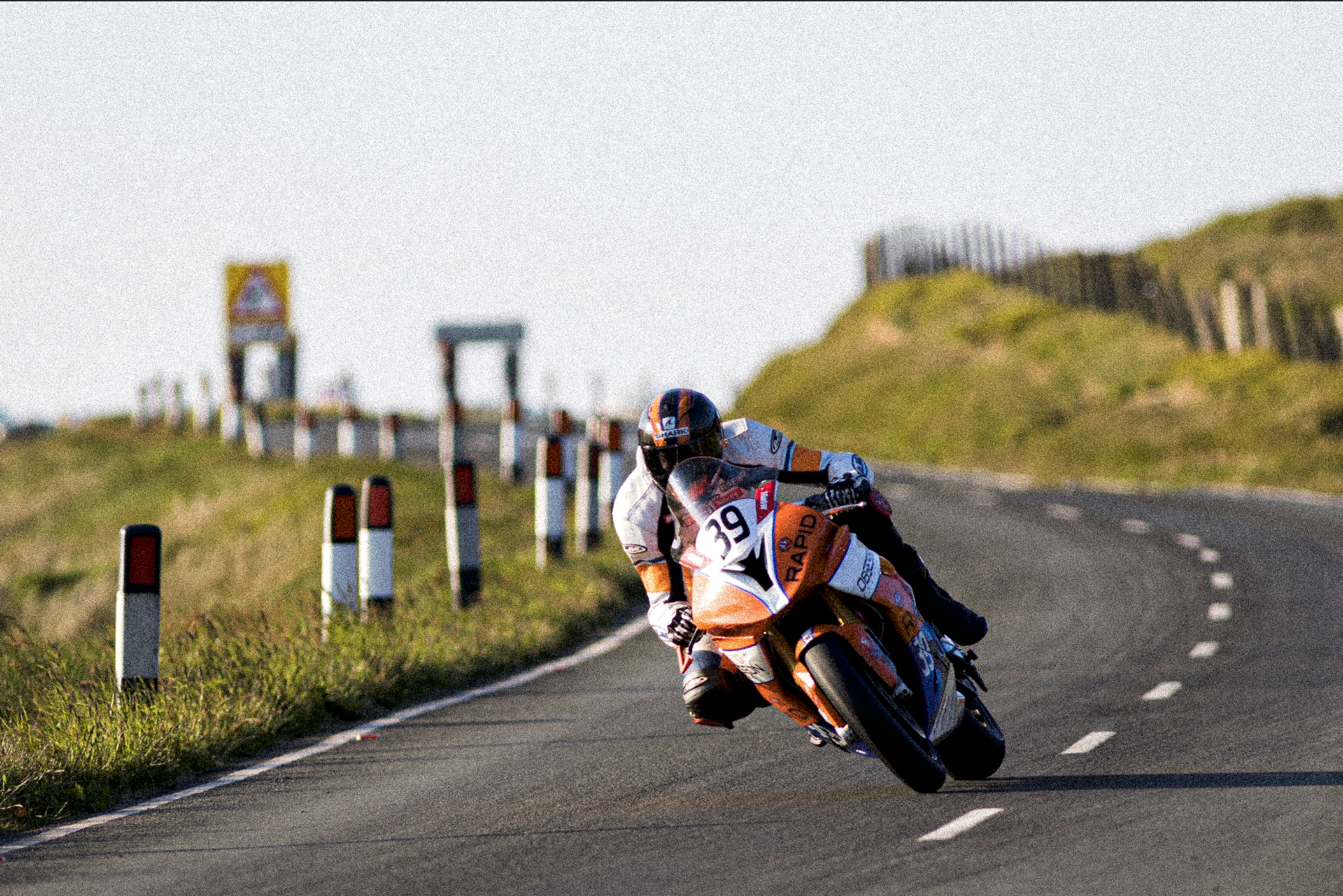
Expert riders develop an ability to compute and react to much more information than a novice can cope with, together with the ability to automate elements of what they do.
They achieve this because their brain has developed ‘mental shortcuts’ called ‘pattern recognition’ capability. Consider an expert pianist, they do not have to focus on hitting the right keys as a novice does. Their brain has developed shortcuts which enable much of what they do to be automated. This allows them to focus their attention on the finer points of playing their instrument.
‘Pattern Recognition’ capability, once developed, allows an expert rider to effortlessly gather vast amounts of information, and simultaneously link it to many possible scenarios and appropriate reactions. Much of what they do is automated and they no longer see an item by item checklist. They intuitively recognise the patterns linking what they see with what they need to do, in a natural and dynamic way. This allows them to handle more complex problems, at higher speeds.

How do we develop ‘pattern recognition’ skills?
There are two steps to developing pattern recognition capability:
Step 1 is to deconstruct skill areas down into their component parts so that we understand how they work together. For example, cornering involves an array of skills including reading the road skills such as observation, interpretation, speed assessment, spacial awareness, and machine control skills such as steering, braking, throttle control.
Step 2 involves focussing our practice on specific individual skills. When we do this, we quickly begin to build our intuitive capability in each area as our brains adapt to what we require them to do. In many ways, learning to master a bike is no different to learning to master a piano. Just playing doesn’t get you there. It is focussed practice that embeds the complex skills involved in a quick and efficient way.
Over the next posts we’ll look at how to master Reading the Road skills