
With significant impact on stability, fluidity and performance, the throttle is one of the most important controls for the rider to master.
Throttle Control and Acceleration Sense
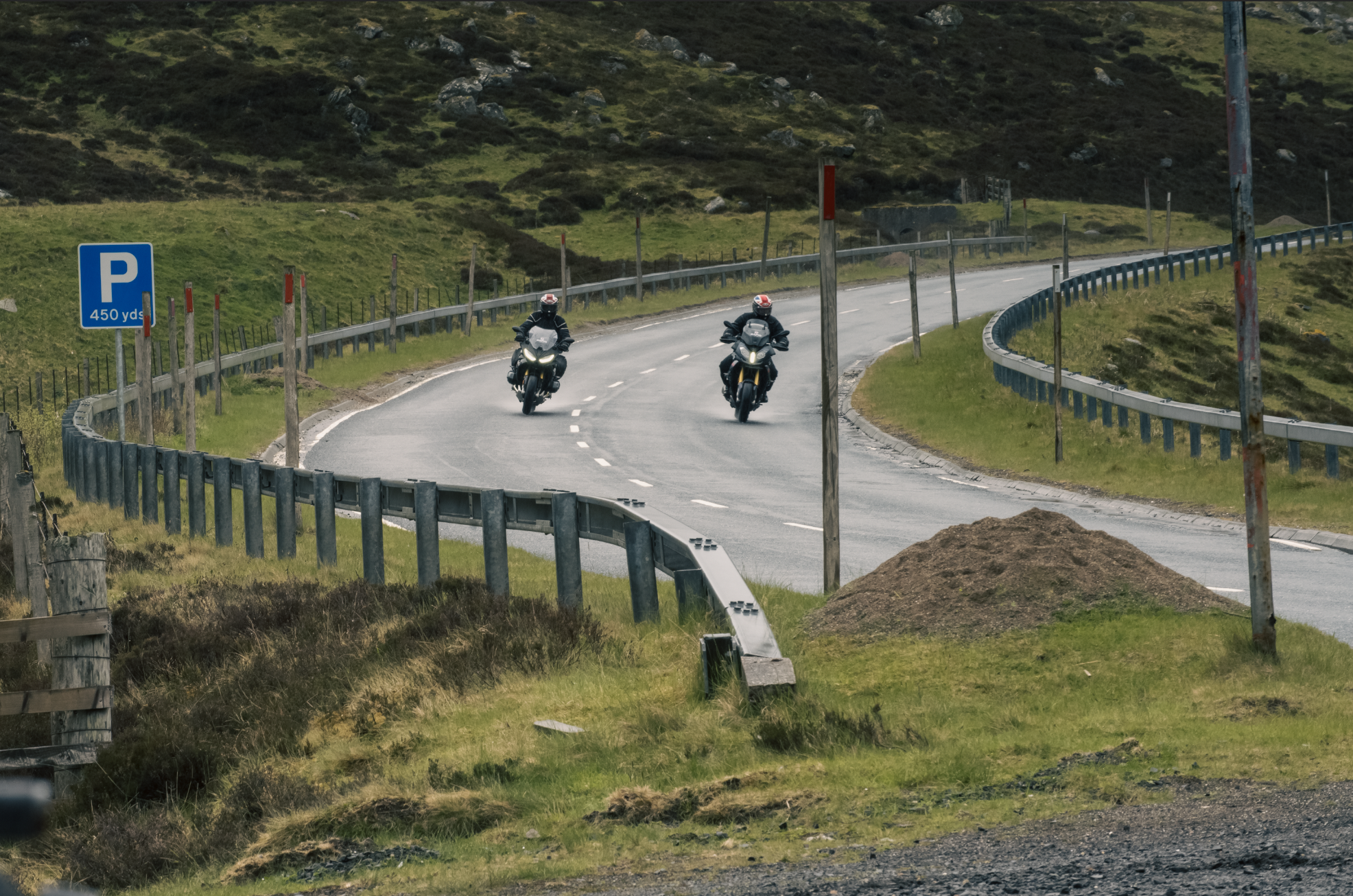
Acceleration Sense is the rider’s ability to adjust the speed of the bike to match road conditions using the throttle alone. In reality this is less about throttle control and more about reading the road. A rider who reads the road well in advance can usually adjust speed using the throttle rather than the brakes because of the extended time available to react.
Rapid encourage riders to understand this skill and more importantly, to develop their reading of the road so that should it be appropriate, they are able to adjust the speed of the vehicle using throttle alone. When it comes to cornering however, if riders want to optimise progress, it is often the case that we would prefer to see them carry more speed towards a bend and use the brakes to reduce speed on the approach, rather than dawdling towards the bend to avoid using brakes.
Throttle Control and Cornering
Throttle control is an essential skill in expert cornering. There are three distinct phases in cornering that require differing throttle application; entry, mid corner and exit.
Corner Entry
The ideal throttle position at corner entry depends on how challenging the corner is.
In an easy, rolling bend, where the approach and exit speed are similar, it is often best to keep the throttle rolled on at the entry stage. This balances the demand for traction between both tyres, removes weight transfer out of the cornering equation, settles the suspension at its most effi cient point of travel, and keeps ground clearance to its maximum.
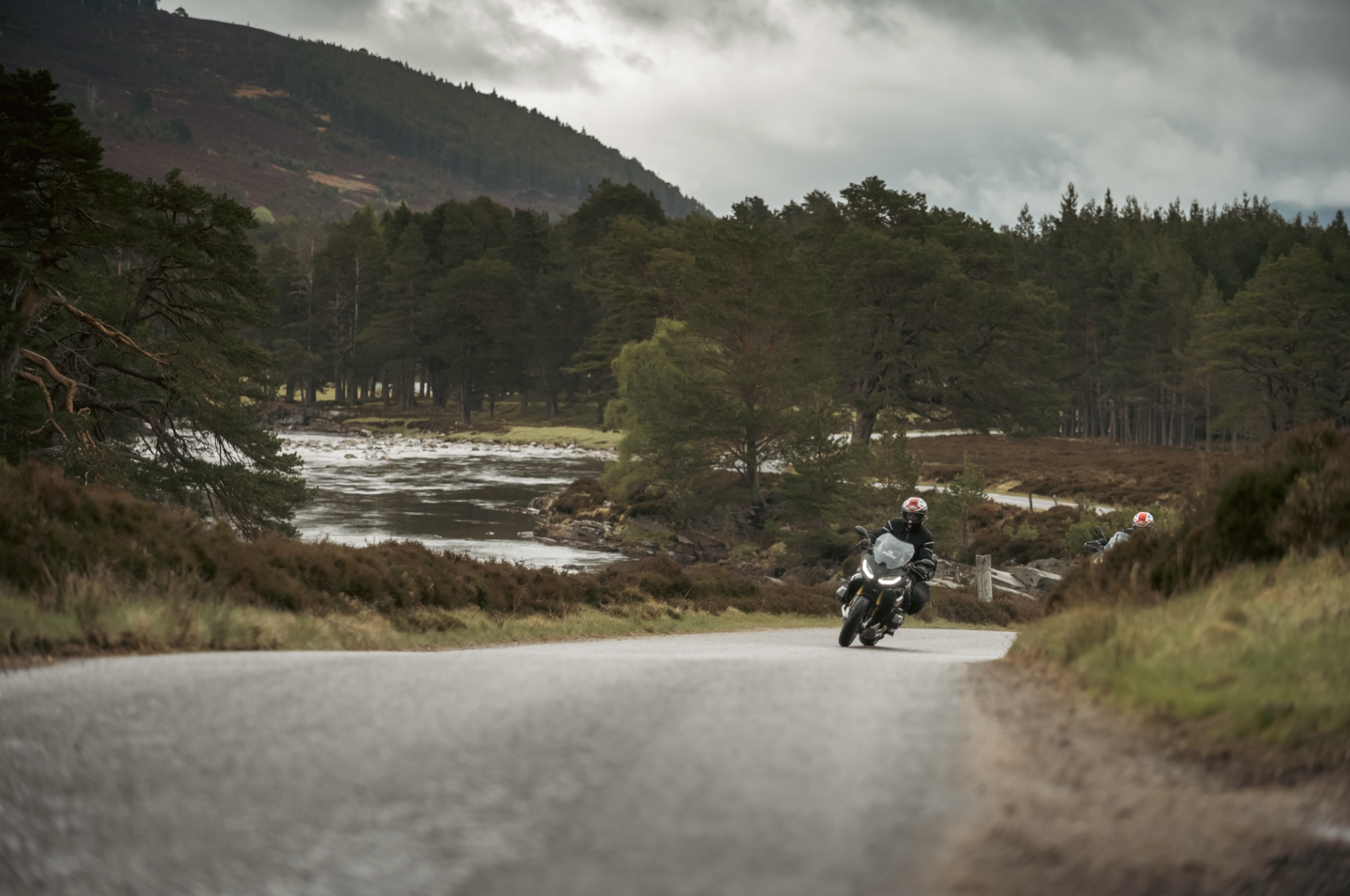
However, in a more challenging corner, where the bike is working harder (such as a tighter or off-camber bend), it can be better to enter the corner throttle off. This increases weight on the front tyre (and therefore increases traction at turn-in) and improves the steering geometry of the bike making it easier to steer accurately, quickly and more tightly into the corner.
Mid Corner
Whichever throttle approach taken at corner-entry; the mid-corner section is almost always best handled on ‘positive throttle’. This requires the rider to open the throttle suffi ciently to maintain speed (cornering forces remove speed, so the roll-on has to be suffi cient to counter this). Positive throttle offers more stability as it transfers the weight, and therefore the traction demand through both tyres, improves the suspension capability, and increases the ground clearance of the bike through the bend. The goal of the rider is to get back to this state as soon as the bike is settled after turn-in (note though, getting back too early or too aggressively can push the bike wide and risks loss of traction).
Corner Exit
As soon as the rider can see the corner-exit opening up, they can begin a steady throttle roll-on and at the point they can see far enough down the road, they can optimise performance by timing roll-on with standing the bike up. As the bike reduces lean angle, more traction is available for throttle and this allows more progressive exit speeds. However, especially on slippery roads, it is important that the rider doesn’t ‘get greedy’ with the throttle. Getting back to gas too early, with too much lean angle will seriously threaten traction. The key is in the timing.
We have a range of road courses such as our popular roadmaster course as well as bespoke riding courses. We also deliver exceptional track courses including Trackmaster, the ultimate course for track riders.
Over the next blog posts we’ll look more at planning for corners and overtakes