
Intuitive riding.
Once a hazard has been recognised, we need to decide what to do about it. This is the ‘planning’ stage, and it involves deciding where to position the bike, what speed to travel, and what gear we need to select as we navigate the danger (we also need to consider what, if any, signal we must provide for other road users and when we should provide it). The aim is to be in the right position on the road, travelling at right speed and in the right gear.
For a motorcycle rider who has a complete understanding of the road, planning is an intuitive skill based on our natural desire to avoid danger in any way we can (problems with planning are usually related to failing to recognise the danger in the fi rst place or recognising it too late).
1. Position
The first decision we need to take on the approach to a hazard is where to position the bike in order to optimise:
Safety - eg. by increasing space between the bike and the danger.
Stability – eg. increasing traction by selecting a dry section of road versus wet.
View– eg. extending the view on the approach to a bend or to improve our view around a hazard.
2. Speed
Having decided where to position the bike and how close it will come to the hazard, we have to adjust our speed to ensure that in the worst-case scenario, we can avoid conflict by either stopping, changing speed or altering course.
3. Gear
Finally, the rider will select a gear that provides the desired level of responsiveness and control to navigate the danger and leave safely and efficiently.

Real world planning
In the real world, we are often juggling position, speed and gear, relative to multiple, simultaneous hazards, and making decisions based on our view of the best balance between them.
There is rarely one, single, best way to do anything.
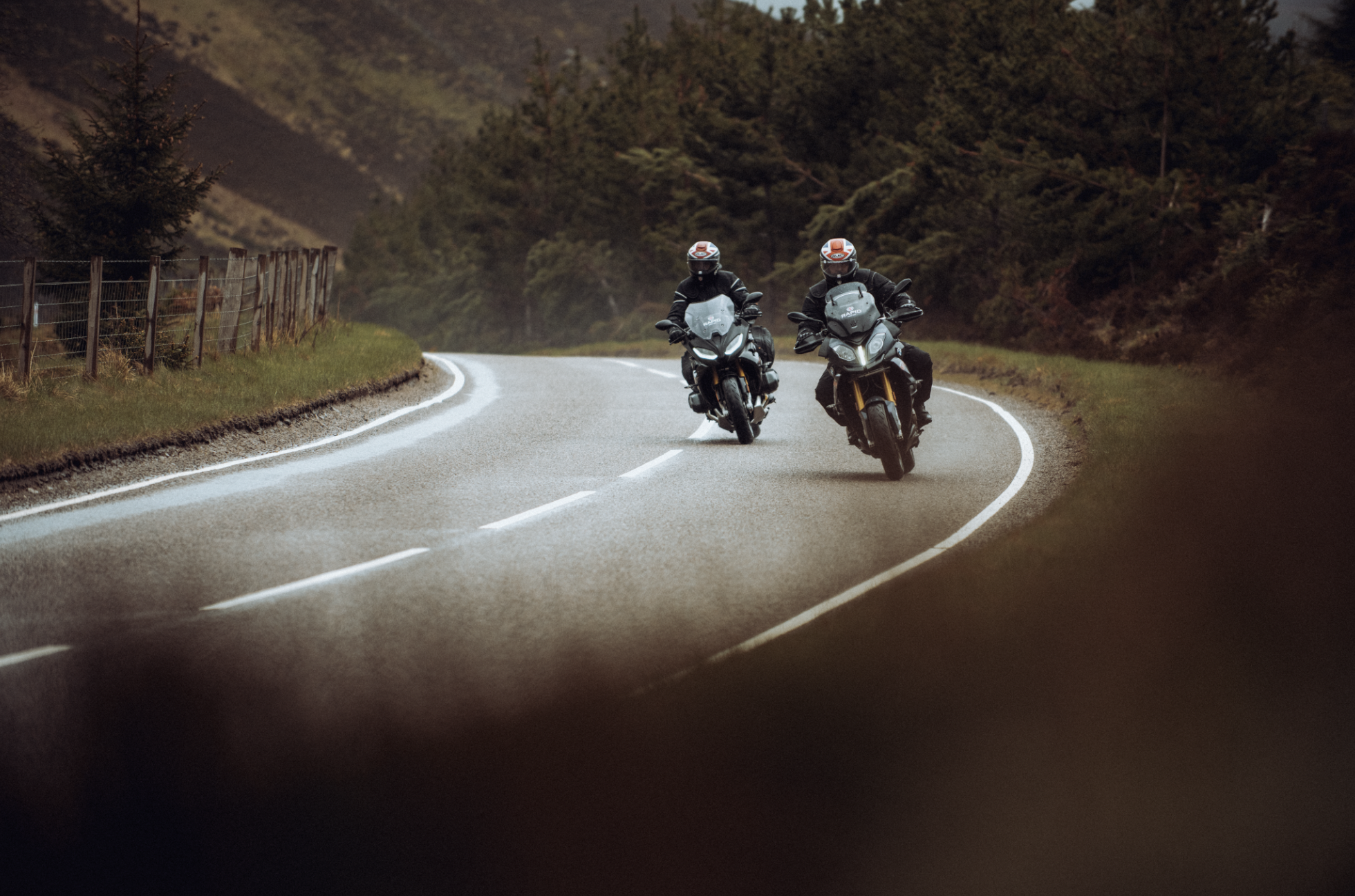
Take a right hand bend for example, where we might move to the left to extend the view into it. But what do we do if there is a hazard on the approach such as a blind junction on the left? Do we compromise our view and move to a more central position to stay clear, or do we maintain our position but reduce speed? If the road is wet but there is a dry strip near to the central white line, do we move to the dry section to gain extra traction at the expense of restricting our view into bend and putting ourselves in potential danger from opposing traffic?
The truth is, many riding decisions are based on complex information with multiple conflicting hazards and many potential solutions. Planning decisions are dynamic and complex involving trade-offs and prioritisation.
The faster we ride, the faster they have to be made, and the more important it becomes to get them right.
Looking to improve your motorcycle riding skills? We have a range of track and road development programmes to maximise your performance. Take a look at our road courses and track courses.
Over the next blog posts we’ll look more at planning for corners and overtakes