
Spoiler: yes. No one’s a natural motorcyclist and riding skill is not innate; it is learned, it is practiced, it is developed. Here’s how.
Good news, then, yes, you can be a great rider. It is easy to fall into the trap of thinking some riders have a natural gift for riding but the reality is that no one is born with riding skills, which means that anyone can become a great rider with the right help. The next step is to form a deep understanding of the fundamental skills that underpin great riding.
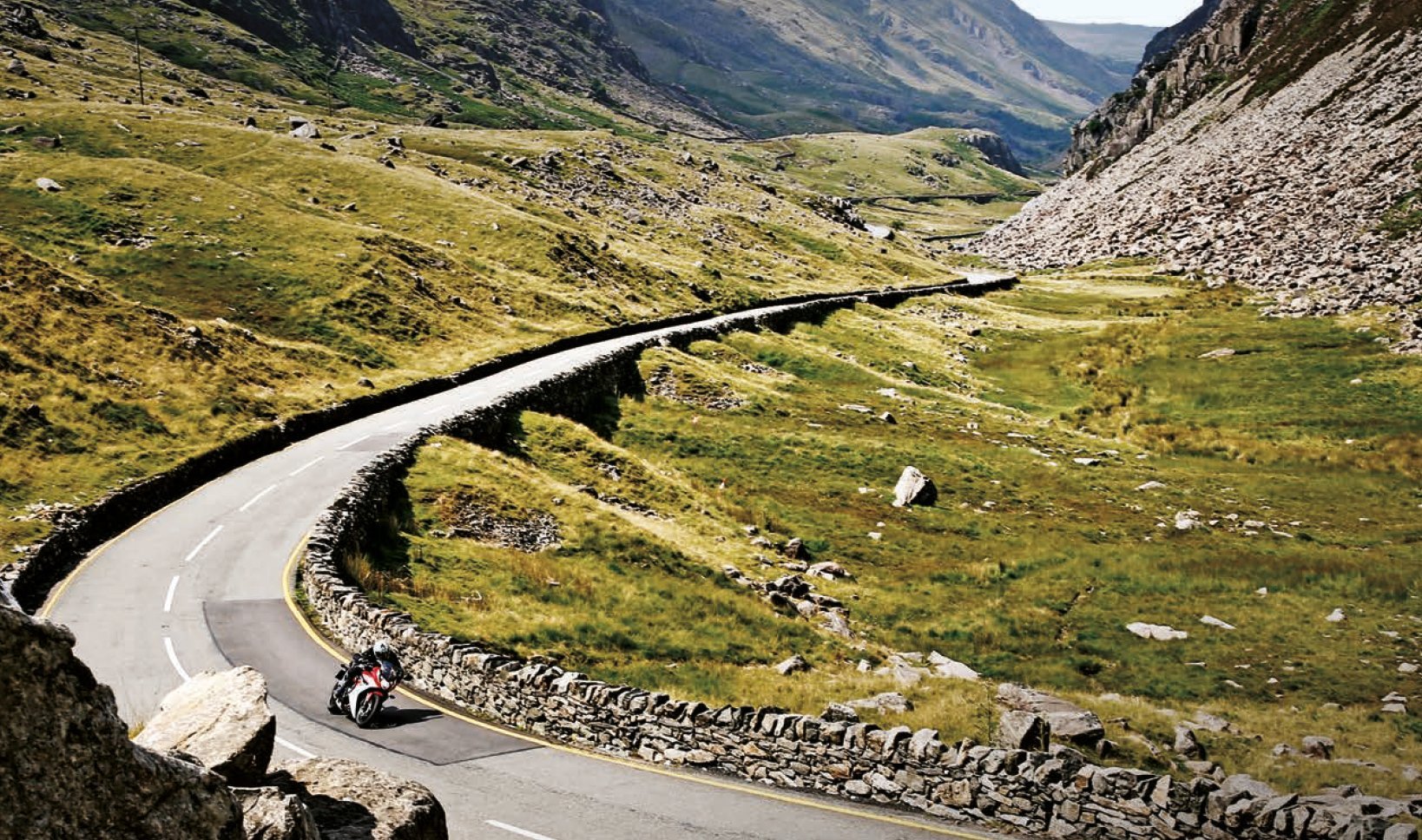
Mastering the fundamentals is key to becoming a great rider.
We help you achieve this by deconstructing them: this means we break skills down into their component parts so that you can understand what is going well with your riding and what isn’t. And with that knowledge, you are already on the road to mastery. After understanding comes practice, and by focusing your practice on prioritised development areas you’ll begin to see your riding transform.
Mastering the fundamentals, so that they are a natural and intuitive part of your ride, is key to unleashing your potential. And, once you understand these skills, with dedicated practice you can become as good as you want to be.
So, what are the fundamentals?
1. A highly tuned ability to read the road.
2. Intuitive, dynamic planning.
3. Precise machine control.

The ability to handle far more complex problems at much higher speeds.
On your Rapid course we will tackle each element independently, but on the road a good rider blends the skills into one intuitive, integrated skill set.
Dealing with complexity
In the real world, riding decisions are complex and ever changing. One way to solve this problem is to approach each hazard with a pre-set checklist. But, this quickly becomes overwhelming as you react and adjust your plans to the ever evolving situation.
But there is another way to handle complexity – the Rapid way. Actually, this is the way of any expert rider, whether they know it or not, and involves developing an ability to compute and react to far more information than a novice could cope with.
Through focussed practice, over time, our brain develops mental shortcuts called pattern recognition. It’s this pattern recognition that allows an expert rider to effortlessly gather vast amounts of information and link it to many possible scenarios and reactions. They don’t use checklists, they intuitively recognise patterns linking what they see with what they need to do, in a natural, dynamic way. This allows them to handle far more complex problems at much higher speeds.
How do you develop pattern recognition skills?
You start with the basics, deconstructing skills into their component parts so you can understand how they work together. Then, through focussed practice, you gradually build your ability as your brain forms new mental shortcuts. This takes training, dedication and practice, but the rewards are transformational.