
While many connect the trickle charger, chuck a blanket over it and tuck the bike away over winter, we categorically recommend you do the opposite, and so we’re bringing you a series of features this season designed to encourage you to keep riding through the chillier months. Rapid coach Giles Lamb explains how to avoid that winter rust taking hold.
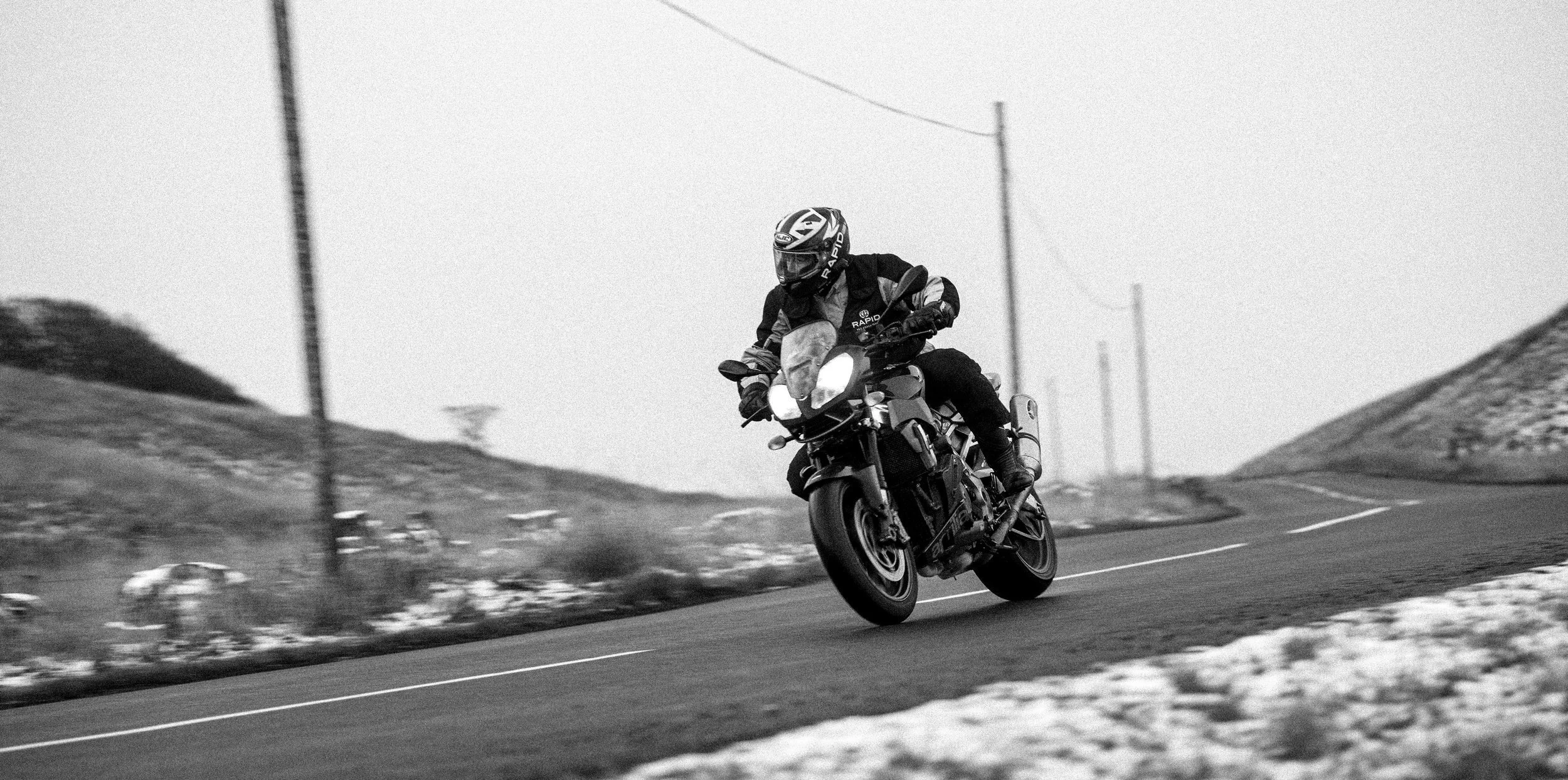
Pro coach Giles Lamb is a huge advocate of winter training and the benefits it brings to you overall riding ability.
If you mothball your pride and joy over the winter it can present serious problems as your winter lay off manifests in rusty riding skills.
Rustiness, or ‘skill fade’ as we call it, can affect us in lots of important ways such as tightness and tension in our body, a reluctance to lean the bike or clumsy machine control. Our brain will be out of the groove so we won’t be able to take in and process crucial information as quickly and fluidly, and our timing might be out of kilter, making accelerating smoothly out of bends or judging overtakes more difficult.
In itself, this wouldn’t cause problems because we would just ride to our limits and take our time. The trouble is that at the end of the summer we were floating beautifully in and out of bends at a fair lick using well-honed acceleration sense and judging cute little overtakes to perfection. Our memory of this is strong so when the first dry road of spring arrives there’s a real risk we’ll arrive too fast for all manner of hazards. When I worked as a traffic cop I went to a lot of bike crashes at the beginning of the riding season - most of them were bend-assessment accidents, where riders simply went in too fast for their ‘post winter’ ability, target fixated and binned it. It’s not a pleasant time to be a traffic cop.
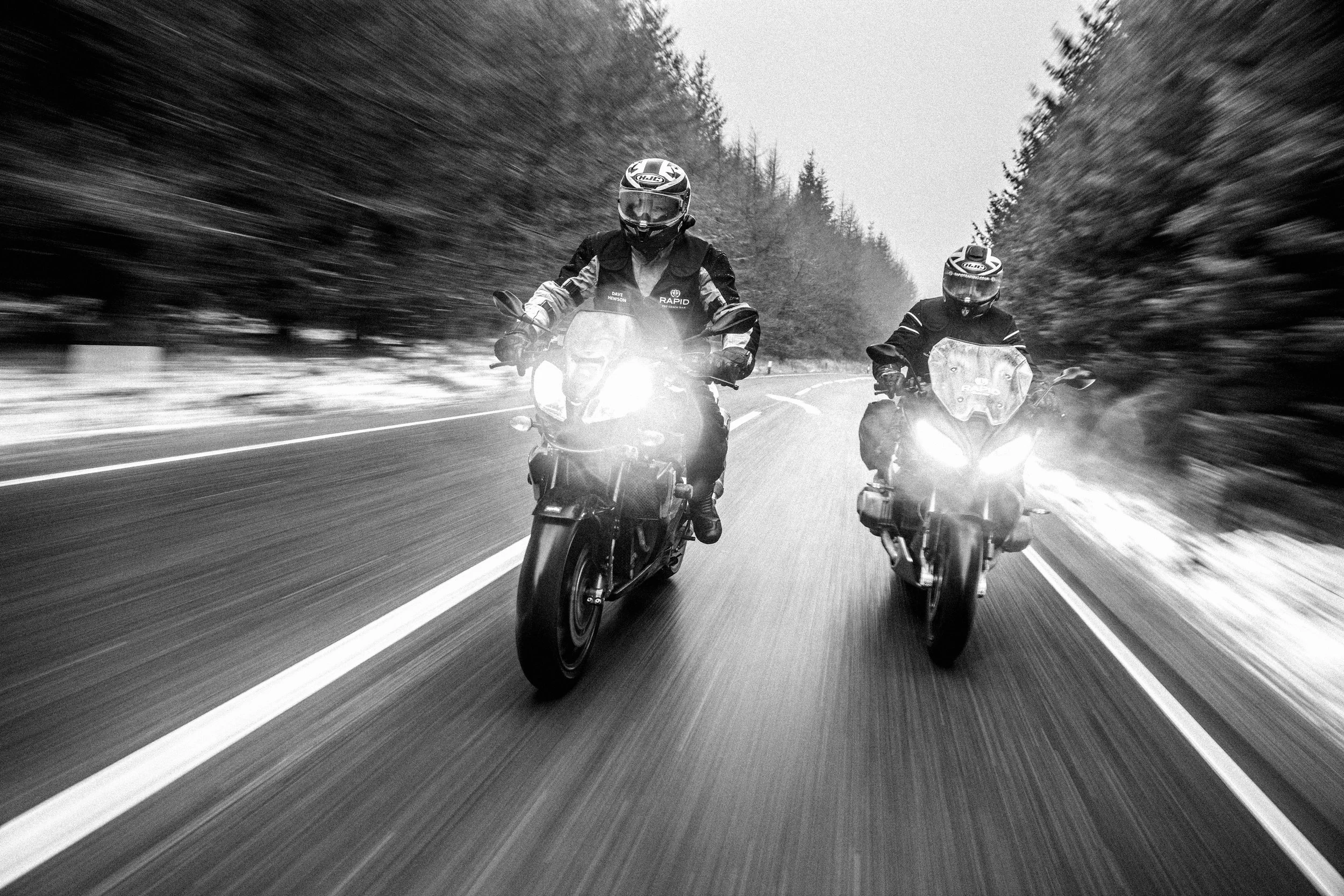
Keep riding through the winter months, if you want to avoid skill fade and maintain your confidence in all conditions.
To avoid skill fade and keep your riding on-point, you need to keep riding all year round. It is simply not possible to master your bike with 6 months fair weather riding and a six month break each year. If you lack confidence in poor weather, why not agree to ride with like-minded mates, or sign up for some coaching through the winter months (we would argue it’s the best time of year to train). Maybe consider joining a Rapid Ride Out – a low cost way to get out with a small group or riders under the watchful eye of a Rapid Pro-Coach. These will help you to relax and embrace to joy of winter riding and let’s face it, get a whole lot more value out of your bike.
Driving your car with your biker’s head on will also help keep you tuned up. Instead of just cruising along like the rest of the herd, monitor the car in front’s bend assessment - are they timing their acceleration and braking well? Is yours better? Identify cambers, changes of road surfaces, where there’s gritty grip and where there’s polished bitumen slip. Driving like a rider will help keep your brain bike-sharp.
If you have had a winter lay-off, how you approach your first few rides is critical. You must accept you’ll be rusty and not the rider you were last September. Your skills will gradually come back, but until then you’ll need your sensible head on.
You need to get the practical things right too. Put some air in the tyres, check the chain and make sure you’ve done all your kit up properly - it sounds daft, but if you’re rusty and also fiddling about trying to zip your wallet pocket up, the chances of you making a mistake are magnified. A 30 second self-check before riding means you can concentrate 100 percent on the ride.
This article first appeared in Bike Magazine.